
Why undyed cotton really matters. A conversation with O~Z
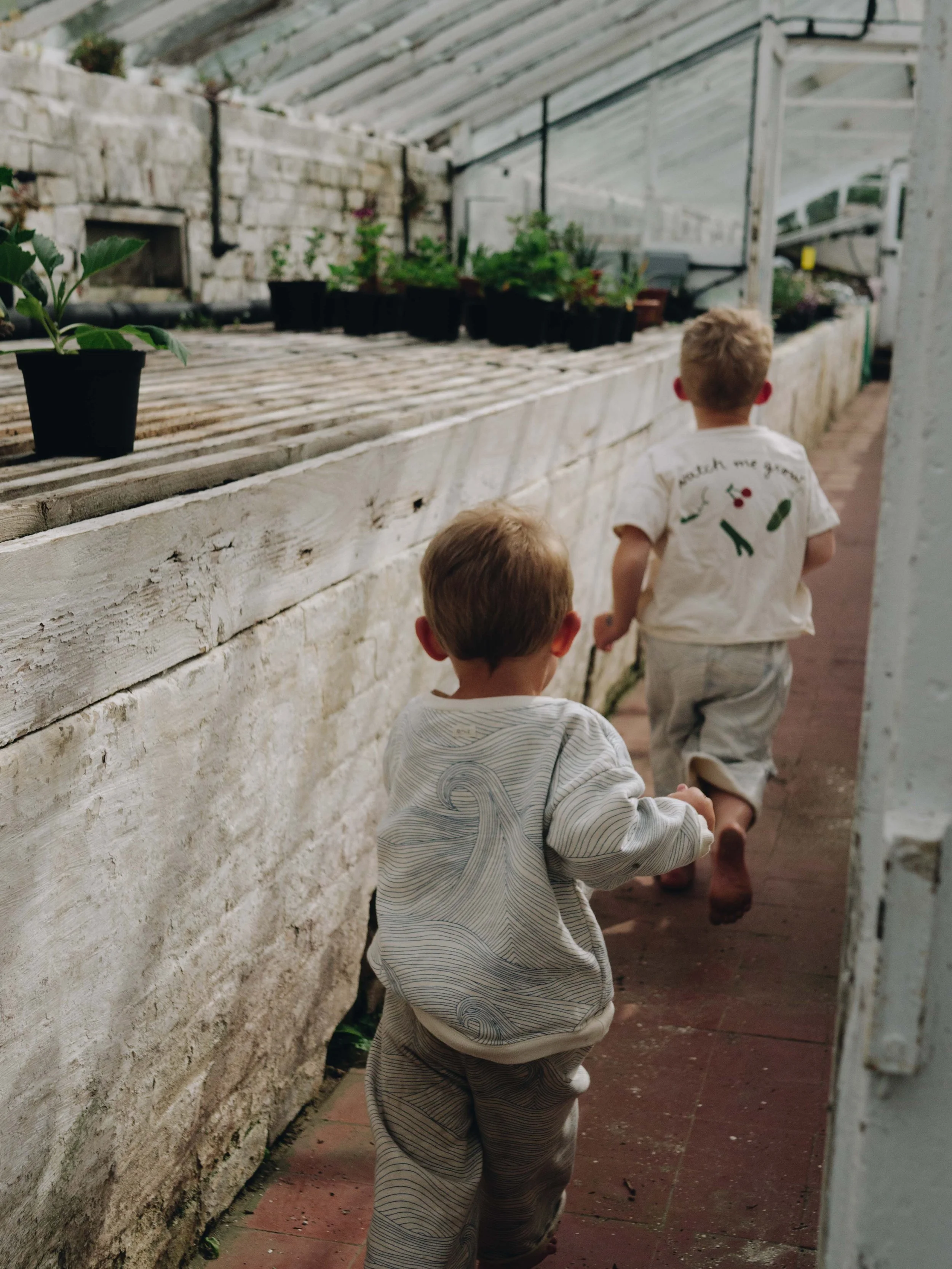
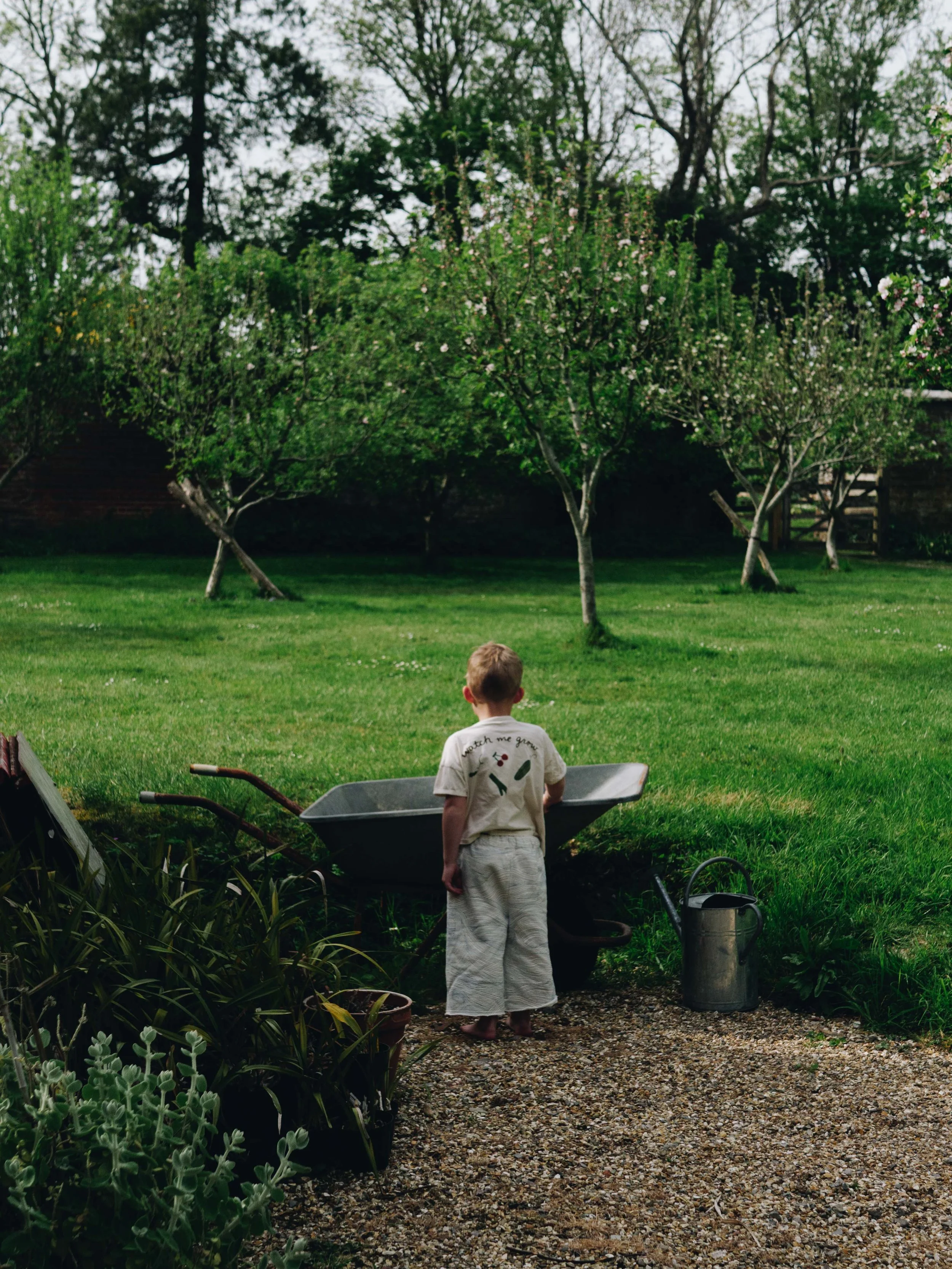
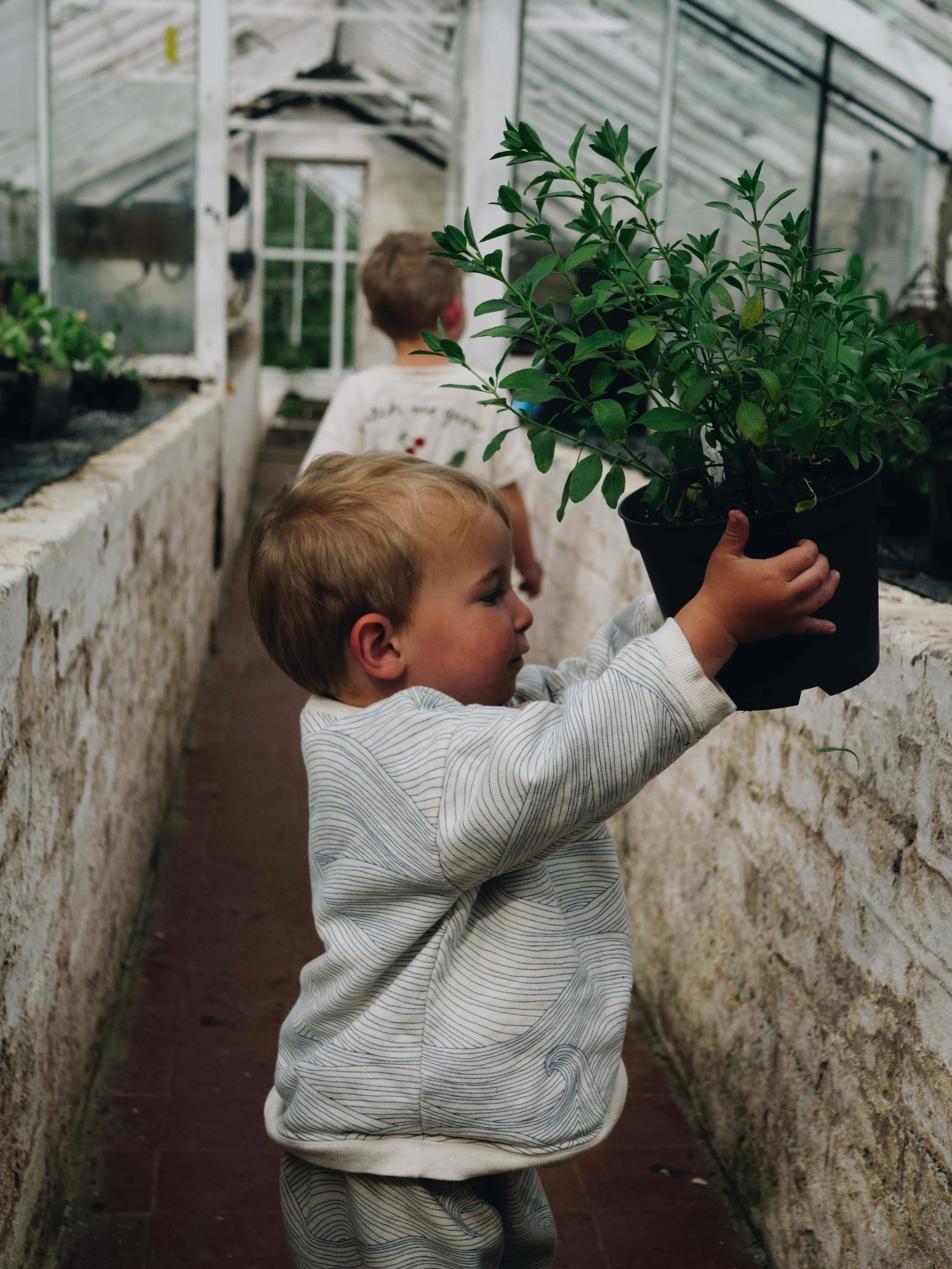
After seeing my boys run around in some treasured pieces from the O~Z undyed cotton collection, I answered some questions with the brand about the power of undyed cotton, how we make considered choices when it comes to clothing and why what is put next to our skin really matters.
O~Z: Before you had a baby, how much did you think about what was actually touching their skin ..not just what they were eating or breathing, but wearing?
Megan: It’s a story I tell a lot, but there was an ‘aha’ moment for me at four months pregnant with my first baby, whilst watching the ‘Stink’ documentary. The documentary explores what’s truly lurking in our clothing, the recalls done on clothing that we don’t know about, the lack of regulations in this industry, and the power of organic cotton. There’s a good amount of concern, and growing concern, for what mums are eating and drinking, and how the mother is building a microcosm perfectly for her baby to thrive, but then what? I was so aware that this beautiful skin, covered in vernix and as natural as it would ever be, needed to be gifted back the most natural fabrics and products (or no products) in return.
O~Z: When did fabric choice first become something you paid attention to as a parent?
Megan: That moment after watching the documentary meant all my searches included the word ‘organic’. I soon began to see that this wasn’t just a tagline we paid more for, but it actually meant something. I broke up with fast fashion, vowing never to buy from a fast-fashion store again (more on that later). I knew it was worth paying attention to because I’d seen enough studies and research to know how certain fabrics could alter DNA, contain chemicals forever, and affect fertility in boys. I’ve carried on paying attention since that moment.
O~Z: How much do parents really know about what goes into making conventional baby clothes — the dyeing, bleaching, brightening treatments?
Megan: I like to think we’re growing in education, but we definitely have a long way to go. Documentaries like the ‘Plastic Detox’ on Netflix has recently been making people think about what’s in their clothes…some are thinking for the first time ever. I think the actual processing of clothes is less spoken about. The reality is, parents are doing what they know to be best. The clothes they are buying are cheap and convenient, but while affordable, someone/or something else has or will pay the cost, whether that is the planet or its people. Marketing tactics with labels such as ‘recycled content’ or ‘contains natural fibres’ have made people feel they are doing better but in reality they are being greenwashed. The meaningful change doesn’t sit with these brands, it sits with those truly trying to make a change and doing things better from the start like O~Z.
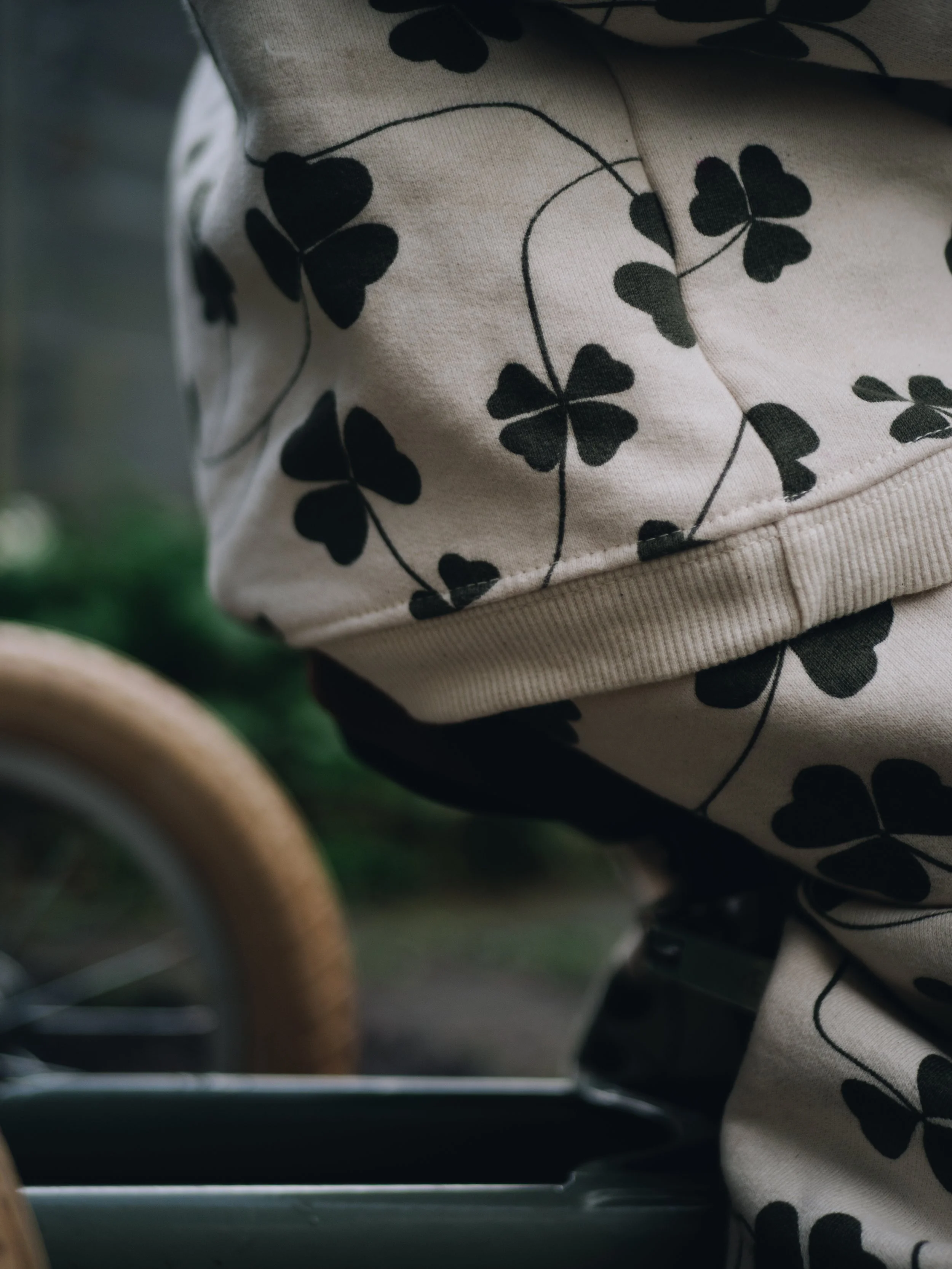
O~Z: Newborn skin is up to 30% thinner than adult skin — does that change the way you think about what goes directly against it?
Megan: Absolutely, I think it’s new to some people to believe that what we wear can permeate our skin barrier. Our skin is our bodies largest organ we need to protect it especially while it’s so tiny! There are so many children now with allergies, skin sensitivities, and even refusing to wear certain types of clothes, often this is because they are not having natural materials next to their skin. Somewhere along the line we overcomplicated things and our skin wants what it was designed to have on it!
O~Z: What does "undyed" actually mean — and why does skipping the dyeing stage matter more than we might think?
Megan: Undyed literally means a material, usually fabric or yarn, that has not gone through a colouring process. What you see in an ‘undyed’ product is it in its natural state. There are several concerns around the dyeing process. Dyeing is a really resource-intensive step in textile production; it uses a large amount of water, energy, and chemical dyes. This can impact local waters, polluting them and making people sick. Dyeing requires many other stages, such as fixing and drying too. Skipping this stage means better news for our planet as it takes fewer resources and means our skin is not put into contact with something that has gone through multiple processes that we are unsure of the safety of, to then rest next to our body.
O~Z: What drew you to the O~Z Undyed Cotton Collection specifically?
Megan: For this specific collection, it was because it already lined up with so many of my preferences when I’m choosing clothes. It’s very special to come across an undyed range of clothing, and one that is full of beauty and creativity!
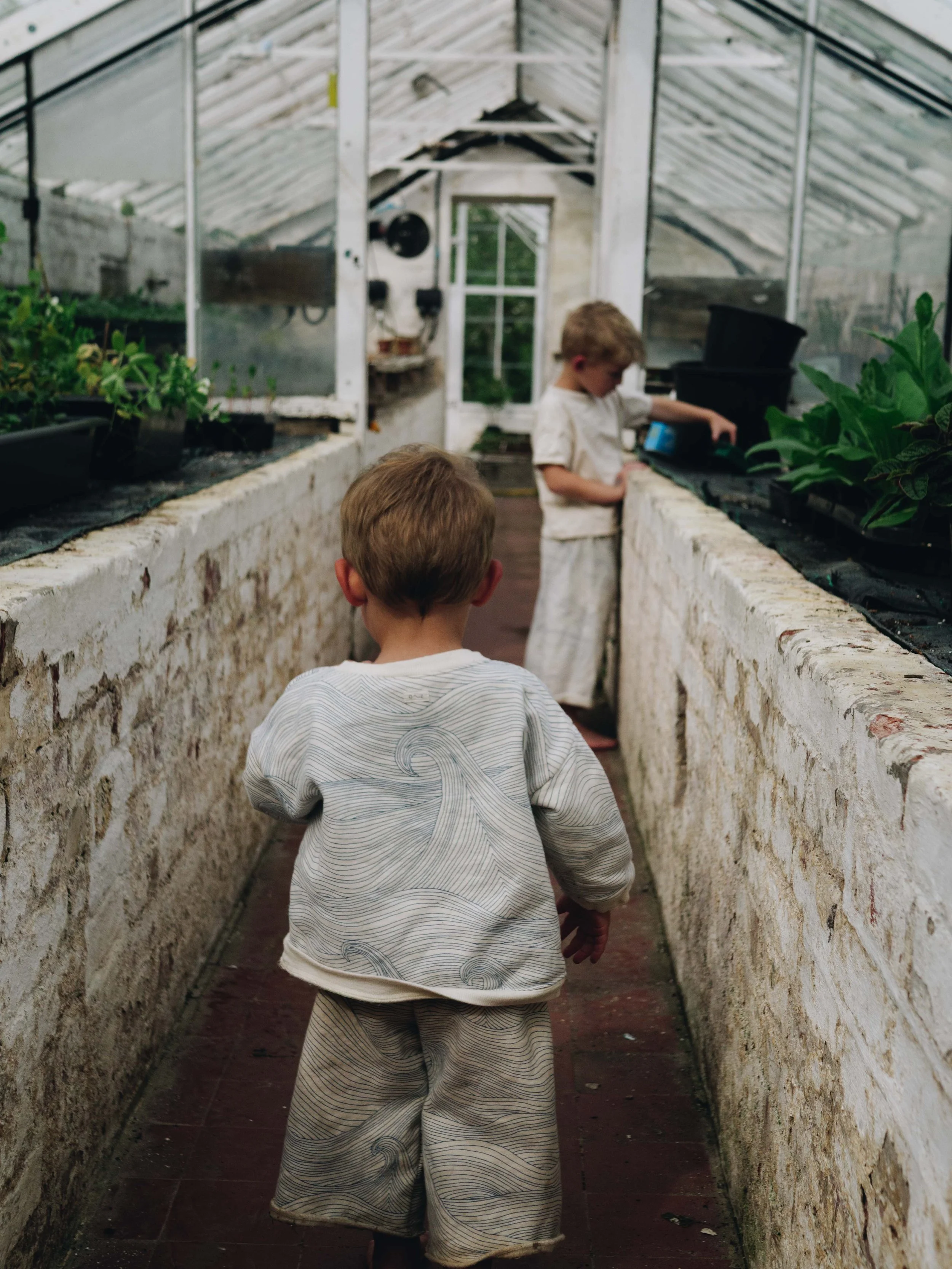
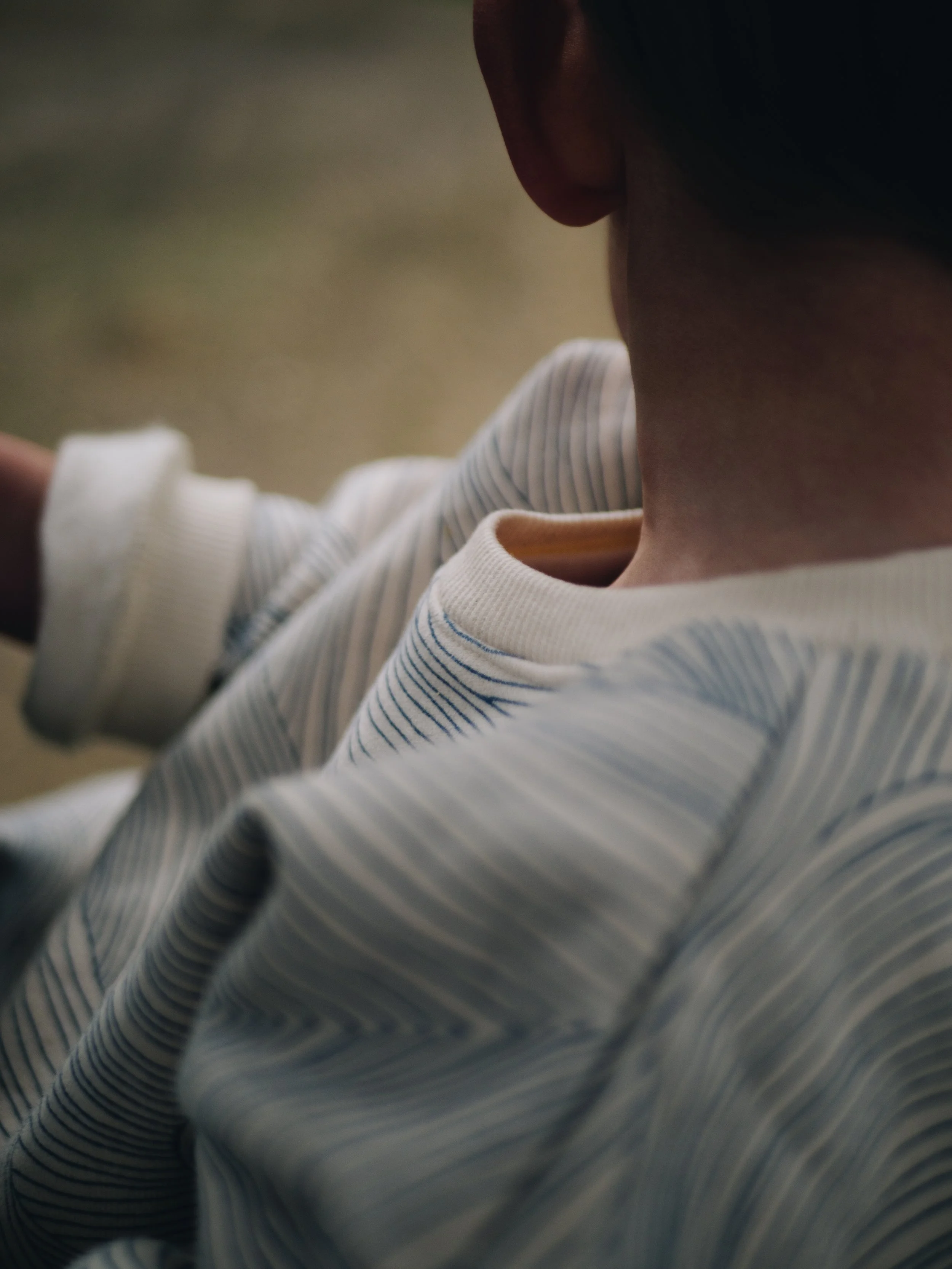
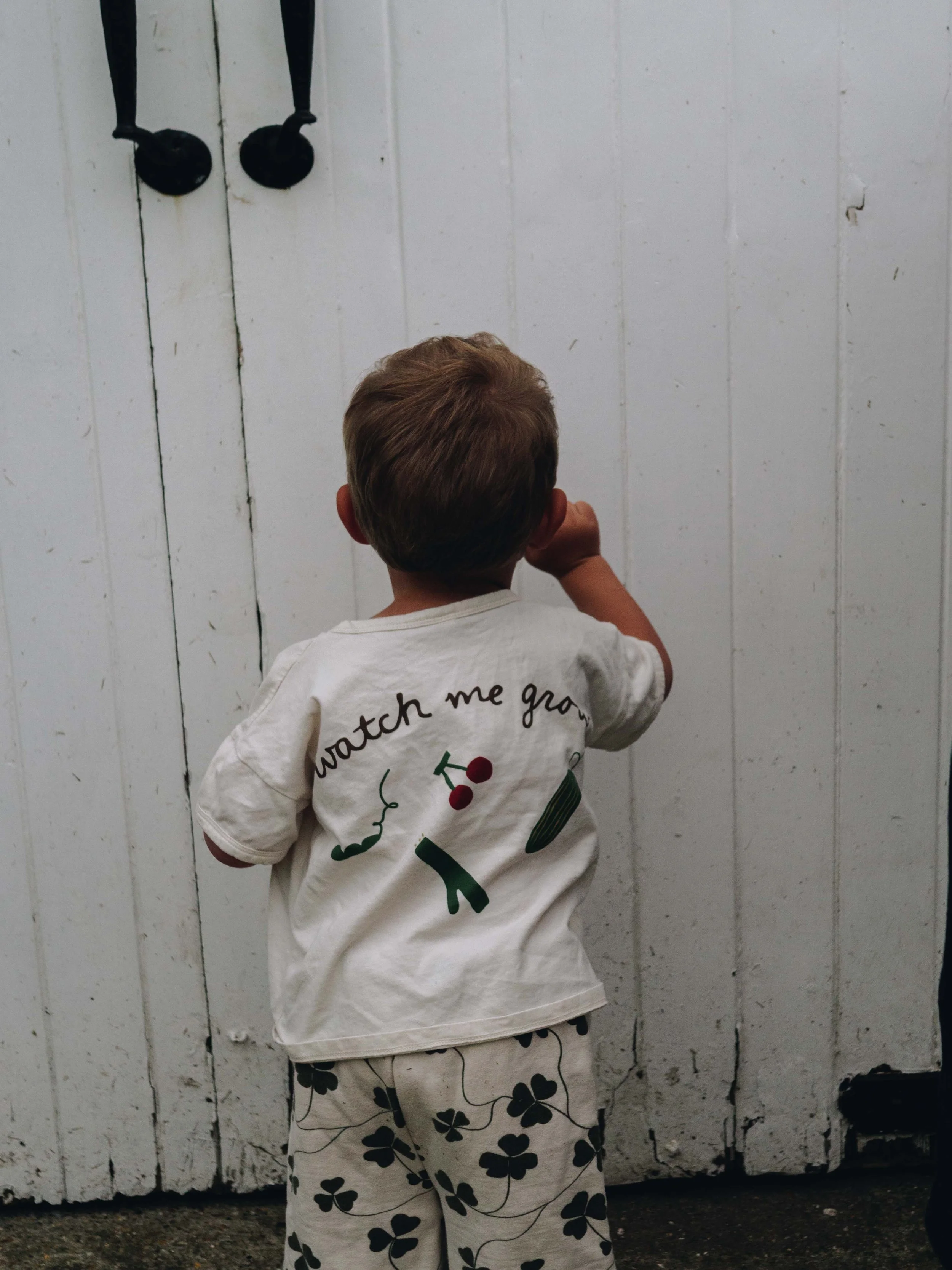
O~Z: The collection keeps the inside of each garment undyed (against baby's skin) while the outside features beautiful prints — why does that design decision feel so clever and considered?
Megan: I think those of us who have been searching for kids’ clothing made in more ethical and sustainable ways have often felt shortchanged with the lack of options..until more recently! I personally broke up with fast fashion back in 2017 because I knew too much about what was in the products being sold. There have been countless times I’ve needed something, but I’ve chosen to wait for what is better, whether that’s secondhand or buying new, but with credentials I trusted because I know it’s kinder to the earth, its people, and my family. When I first started blogging and sharing ethical clothing brands for parents, I could just about name ten. And, most of those brands were brightly coloured pieces with bold patterns, which I wouldn’t naturally choose for my kids. So this feels really clever and considered because it removes the problem. You have the purity of undyed fabric against a baby’s skin, but still the beauty, simplicity and creativity on the outside.
O~Z: How does choosing undyed cotton fit into a broader approach to slower, more intentional parenting?
Megan: It feels right. We’ve overcomplicated so many things over time with how brands are asking: can we denim-blast these jeans to wash them out? How can we make this t-shirt tie-dyed but with artificial colours? How can we shortcut? A little while back, we spent some time as a homeschool group naturally dying items of clothing. The kids collected the materials, and we all had a go. What came out was a little washed out and faded, but we had achieved something personal and natural. It wasn’t fake tie-dye.
I want to say no to what’s fake and hold on to what’s true and as close to nature as possible, and I want that in all areas of my life and parenting. That also doesn’t mean I want what’s easy. Baking bread isn’t easy some days when I’m juggling motherhood and business, but I want my family to have homemade bread. I think a lot of us are feeling this pull back to simplicity, too.
O~Z: What does "less is more" mean to you when it comes to dressing a newborn?
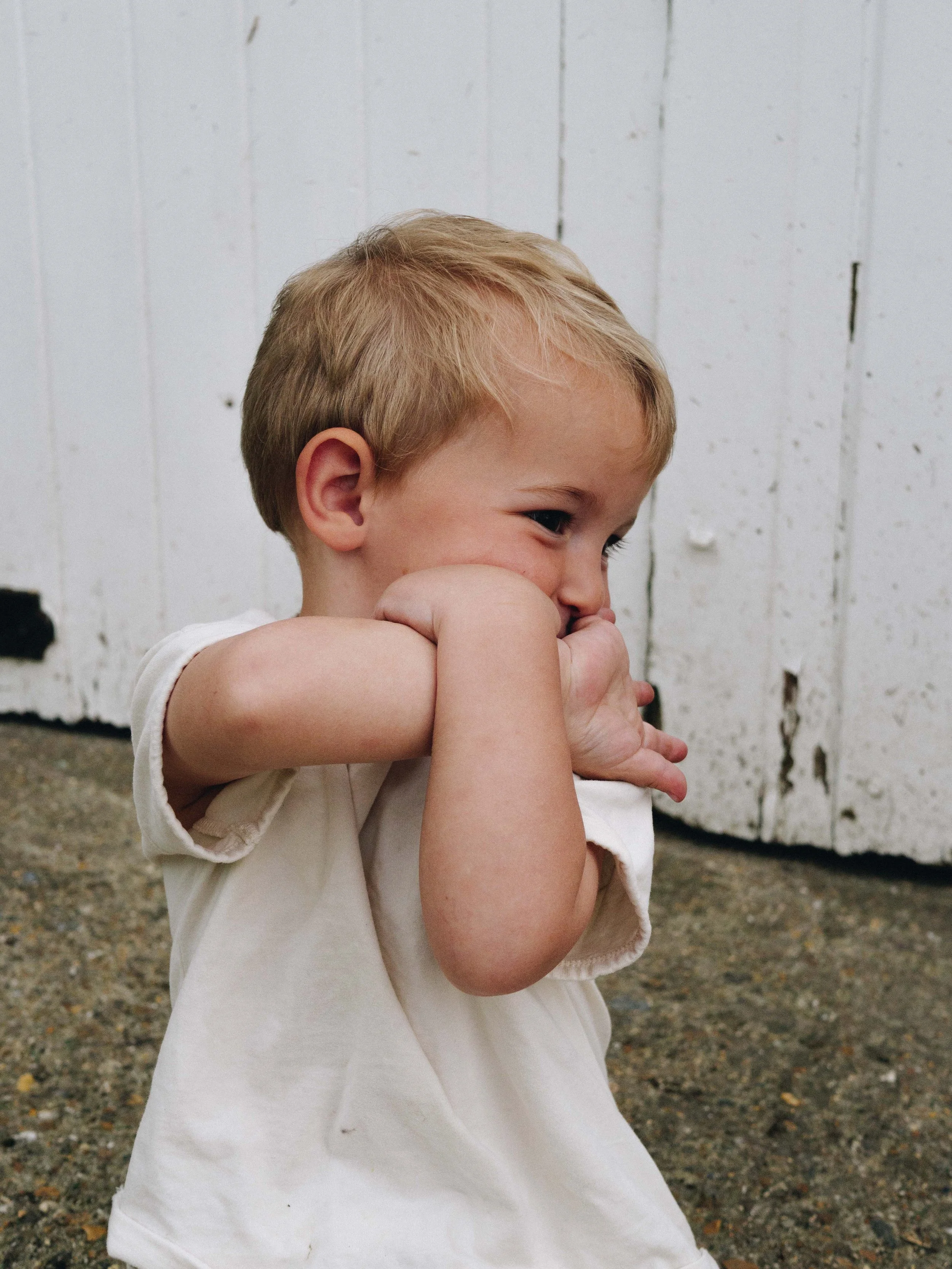
Megan: It’s so easy to become incredibly overwhelmed with your first child. What do you really need? I soon learnt it was very little. I would much rather have a few considered items and rewear more! I think i had nailed this by my third baby!
O~Z: If you could tell a new parent one thing about fabric choice that nobody told you, what would it be?
I think- do the research. Like we read food labels, we need to read the labels of our clothes and seriously consider what we are putting next to our kids’ skin and what that means. We need to feed and love our babies with the absolute best, even down to clothing choices.
O~Z: How do you balance the practical realities of parenting with wanting to make more considered choices?
I think, like with anything, it comes down to your why. What calls you to a moment is what will keep you there. For me, it was the Stink Documentary and seeing the faces of the workers in unsafe working conditions, working unreasonably long hours just so I could pay less for a t-shirt. ‘Buying better’ for me, this isn’t a fad or simply a nice idea, but truly something I believe impacts my family. Yes, making considered choices is sometimes hard; it undoubtedly costs more sometimes. Like everyone, I’ve got a long way to go, but we’re doing our best, and it’s special to be able to bring the kids into that conversation too.
You can find the undyed The O~Z undyed collection here.
This interview is part of a paid partnership with O~Z.